
01
Genetic Perturbations
We use state-of-the-art genetic perturbation assays to map how biological systems change in response to perturbations of genes and regulatory elements—millions of cells at a time.
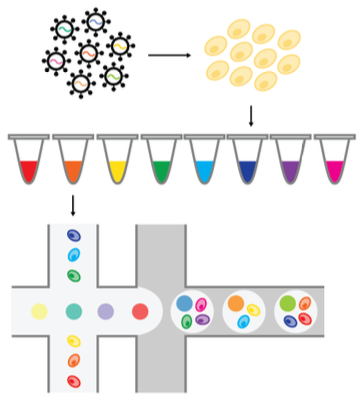
Based at the New York Genome Center, we study how biological systems respond to precise perturbations. Our research involves highly scalable multimodal experimental approaches to investigate causal mechanisms in biology.
Our work
We use state-of-the-art genetic perturbation assays to map how biological systems change in response to perturbations of genes and regulatory elements—millions of cells at a time.
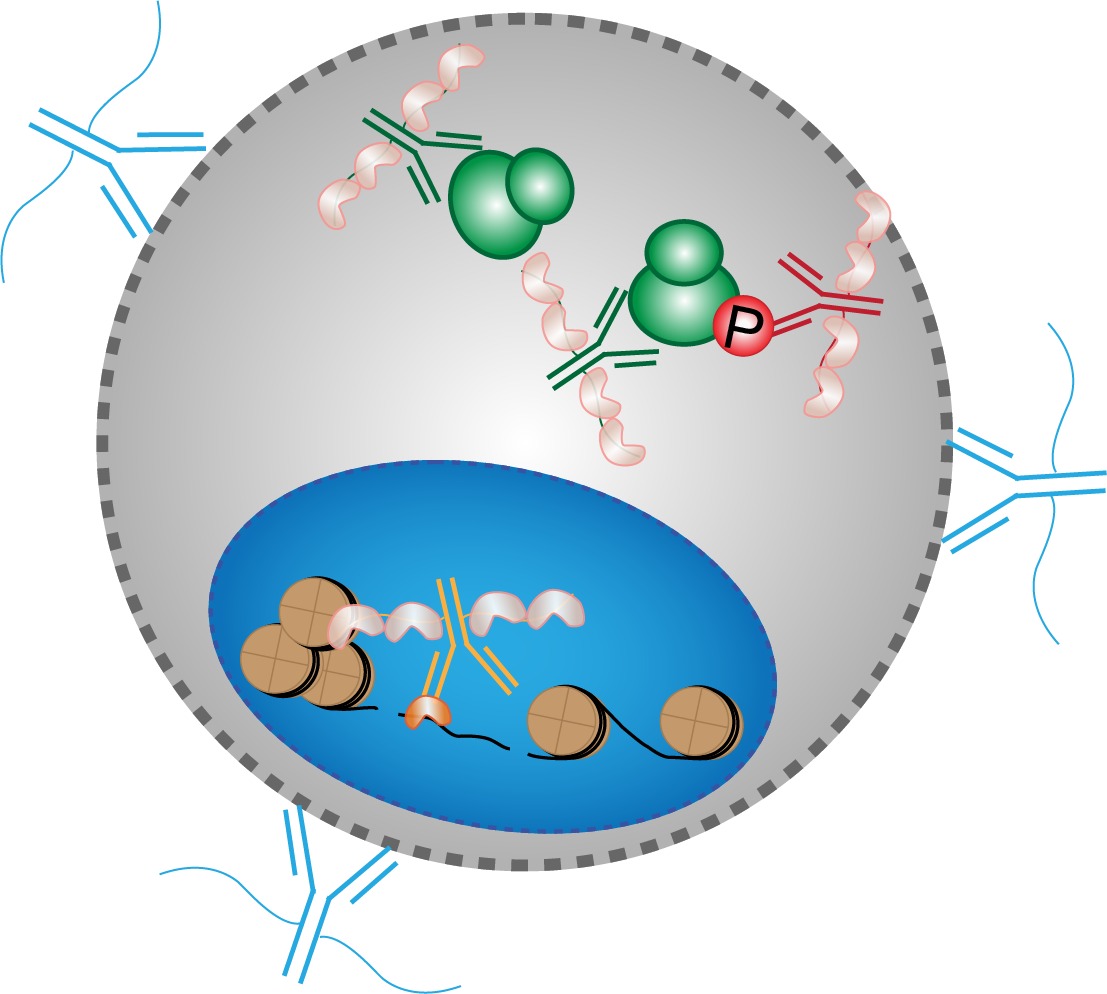
Develop new single-cell tools that capture more cells and modalities, improve data quality, and reduce costs.
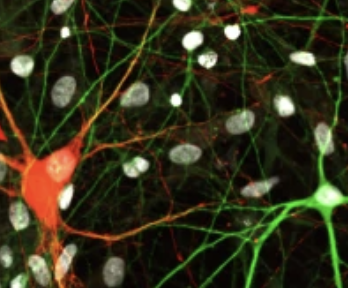
Use genetic perturbations in human models of neurological disease to uncover disease mechanisms and advance therapeutic development.
Publications
Bradu A, Blair JD, Grabski IN, Mascio I, Lee J, McCormick C, Satija R · bioRxiv · February 13, 2026 · PMCID: PMC12919025
Blair JD, Bradu A, Dalgarno C, Grabski IN, Satija R · bioRxiv · August 30, 2025 · PMCID: PMC12407899
Blair JD, Hartman A, Zenk F, Wahle P, Brancati G, Dalgarno C, Treutlein B, Satija R · Nature Communications · 16(1):1346 · PMCID: PMC11794950
Li TL, Blair JD, Yoo T, Grant GA, Hockemeyer D, Porter BE, Bateup HS · bioRxiv · March 18, 2025 · PMCID: PMC11908165
Blair JD, Hockemeyer D, Bateup HS · Nature Medicine · 24(10):1568–1578 · PMCID: PMC6261470
Resources
The lab
Platform Lead
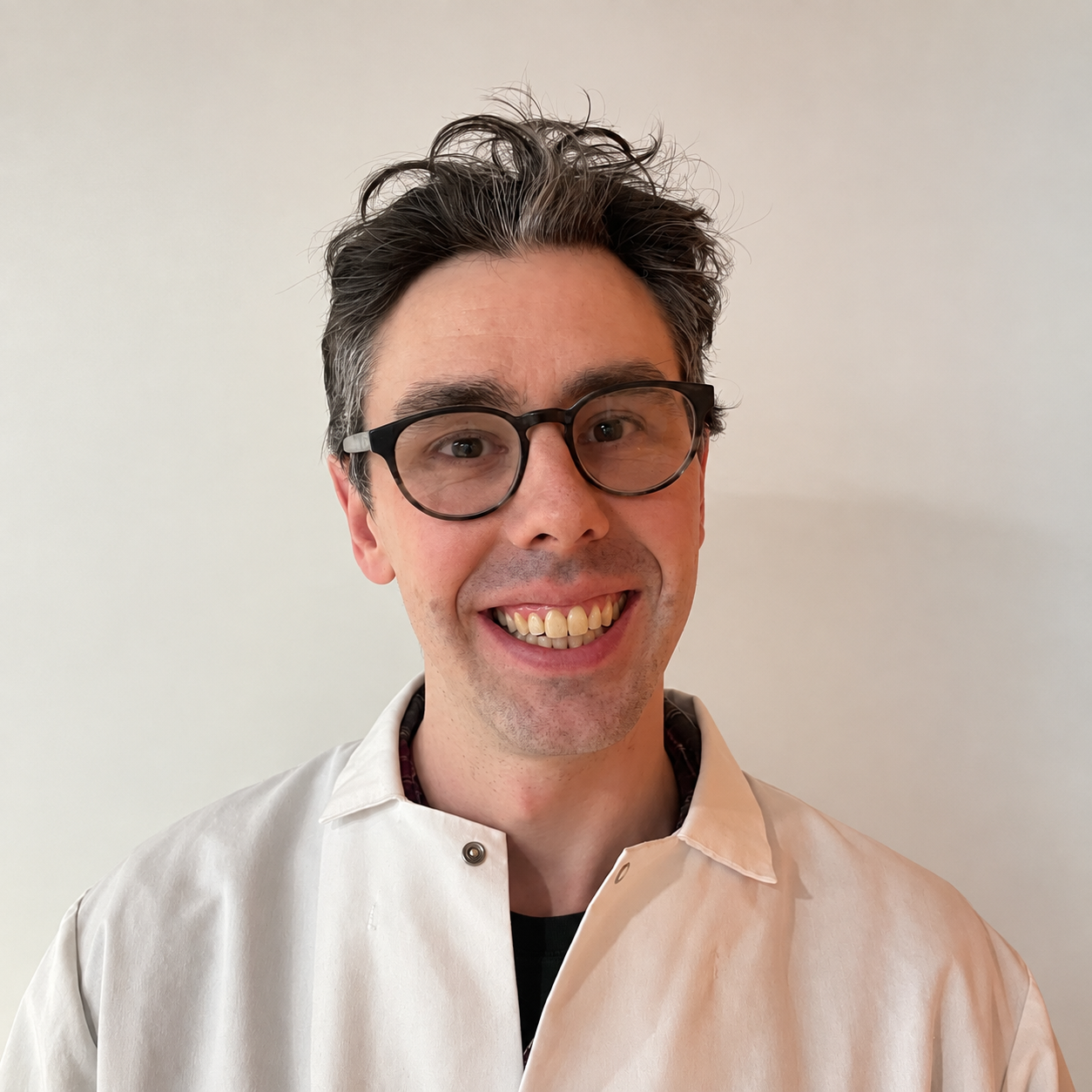
John Blair received his PhD from the University of California, Berkeley, where he worked in Dr. Helen Bateup's lab and established human neuronal models of Tuberous Sclerosis. This work combined 3D human stem cell differentiation, CRISPR-mediated stem cell engineering, and single-cell sequencing. He completed his postdoctoral training in Dr. Rahul Satija's lab at the New York Genome Center, where he developed multimodal technologies for single-cell sequencing with intracellular protein quantification and perturbations—including Phospho-seq and FlexPlex—as well as VIPerturb-seq for large-scale Perturb-seq in fixed samples.
Full bibliographyCollaborations
We welcome sponsored research projects, subcontracts, and collaborative grant applications. Please fill out the form below to reach out and someone will be in contact with you shortly.
Contact the labContact